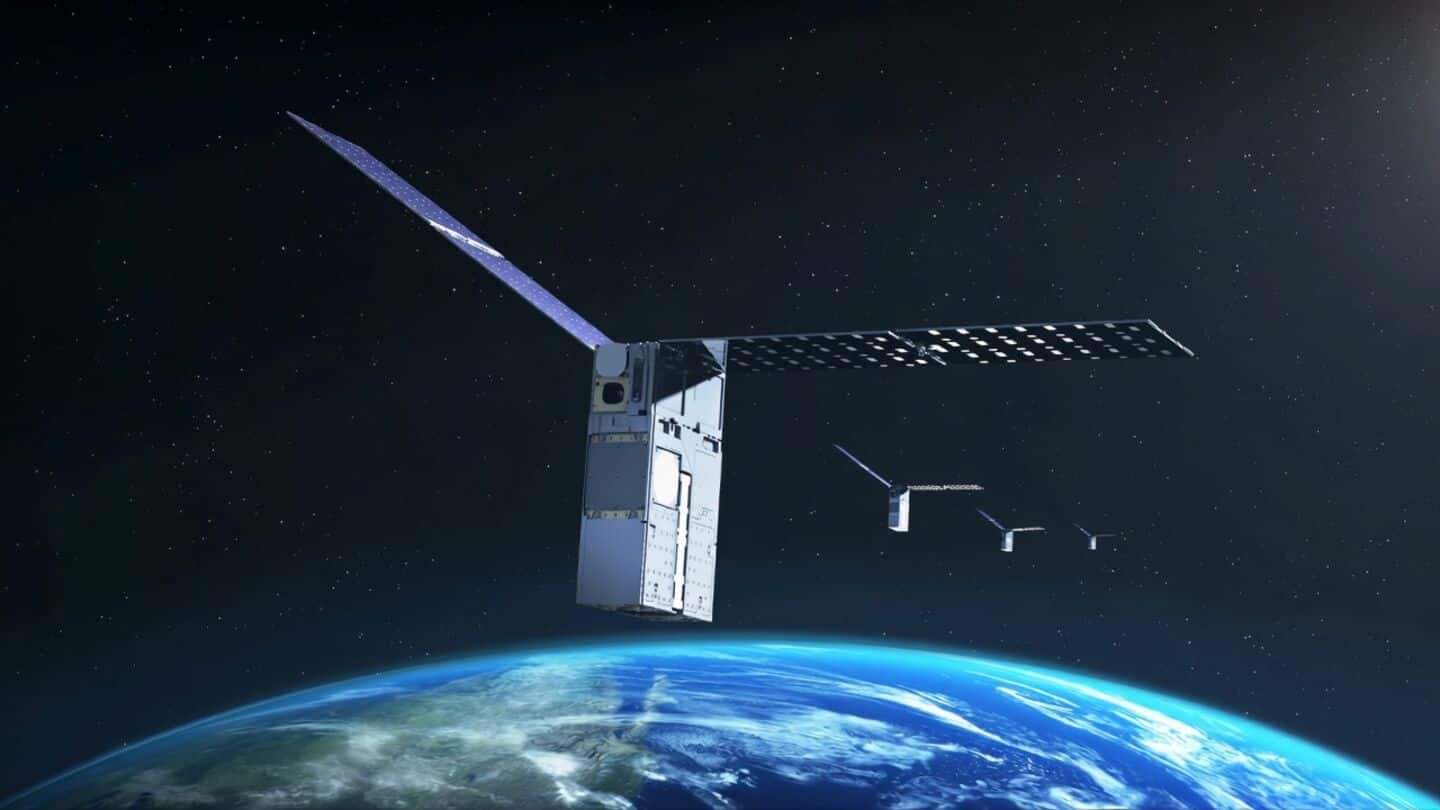
NASA Starling satellites navigate without GPS by spotting other satellites
NASA's Starling mission has pulled off something pretty cool: four small satellites are now navigating in space without using GPS.
Instead, they use a three-year-old tech demo called FALCON that lets them figure out where they are by spotting other satellites: no Earth-based signals needed.
This could make future space missions way more independent, especially when exploring places where GPS can't reach.
FALCON uses cameras and 20,000-object catalog
FALCON, developed in collaboration with EraDrive, uses onboard cameras and a giant catalog of 20,000 space objects to help satellites track their own orbits and avoid collisions.
The tech has already helped mission managers better understand the pathways of 200 individual objects up there.
The catalog-update experiments produced better object position predictions onboard Starling than those provided by ground stations.
With the Starling mission extended until at least 2028, this upgrade could help with everything from lunar missions to keeping crowded orbits safer for everyone.