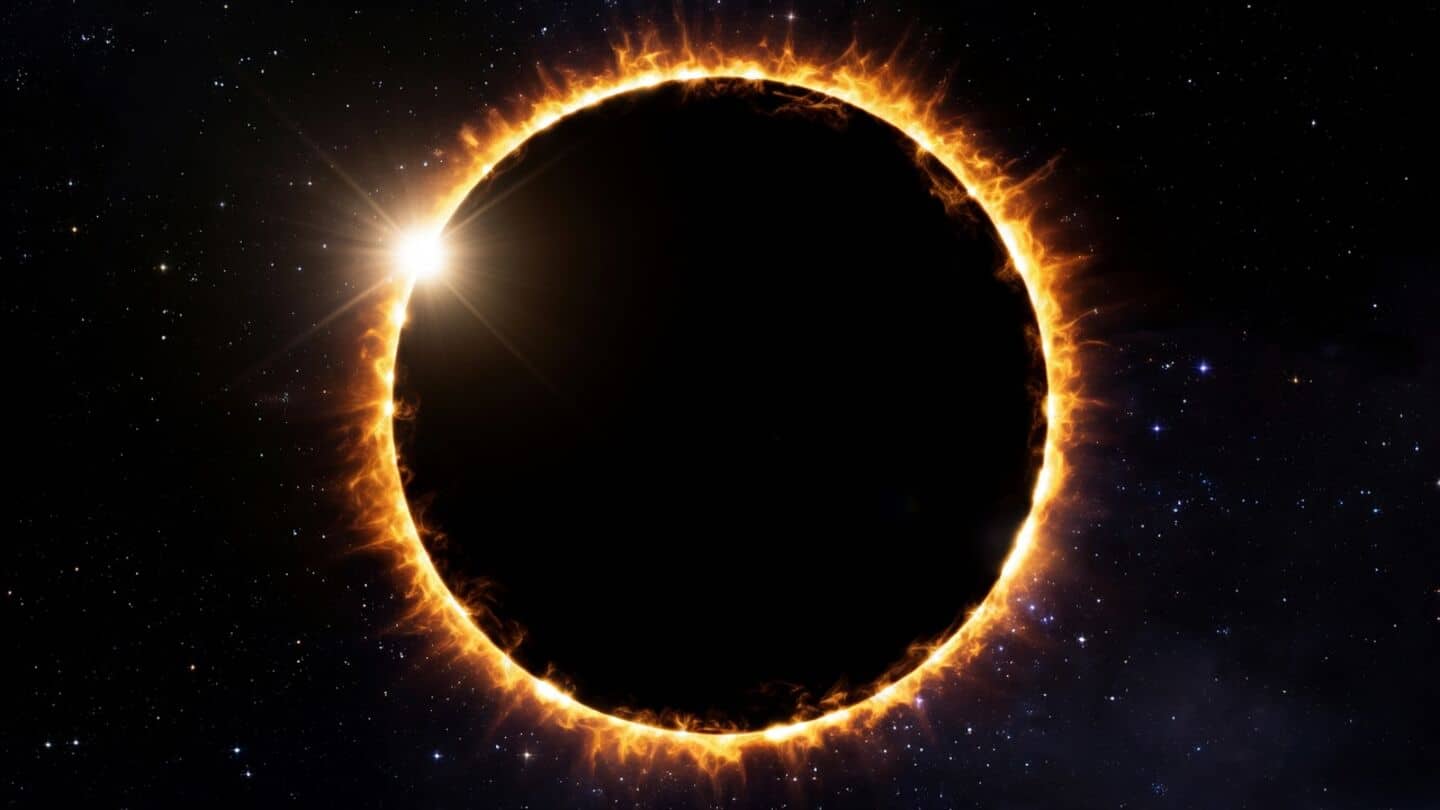
NASA to study Sun's corona and Earth's atmosphere during eclipse
Technology
NASA has a cool plan for the total solar eclipse happening on August 12, 2026, visible in Greenland, Iceland, and Spain.
It will use this rare event to learn more about the sun's corona (that glowing outer layer) and see how a sudden break from sunlight affects Earth's atmosphere.
NASA flies WB-57, launches 80+ balloons
To pull this off, NASA will send up its WB-57 high-altitude aircraft to chase the moon's shadow at 50,000 feet, giving scientists almost three minutes of clear views of the corona with special cameras.
Plus, more than 80 scientific balloons will launch across Iceland and Spain to track changes in ozone levels and the lower atmosphere during the eclipse.