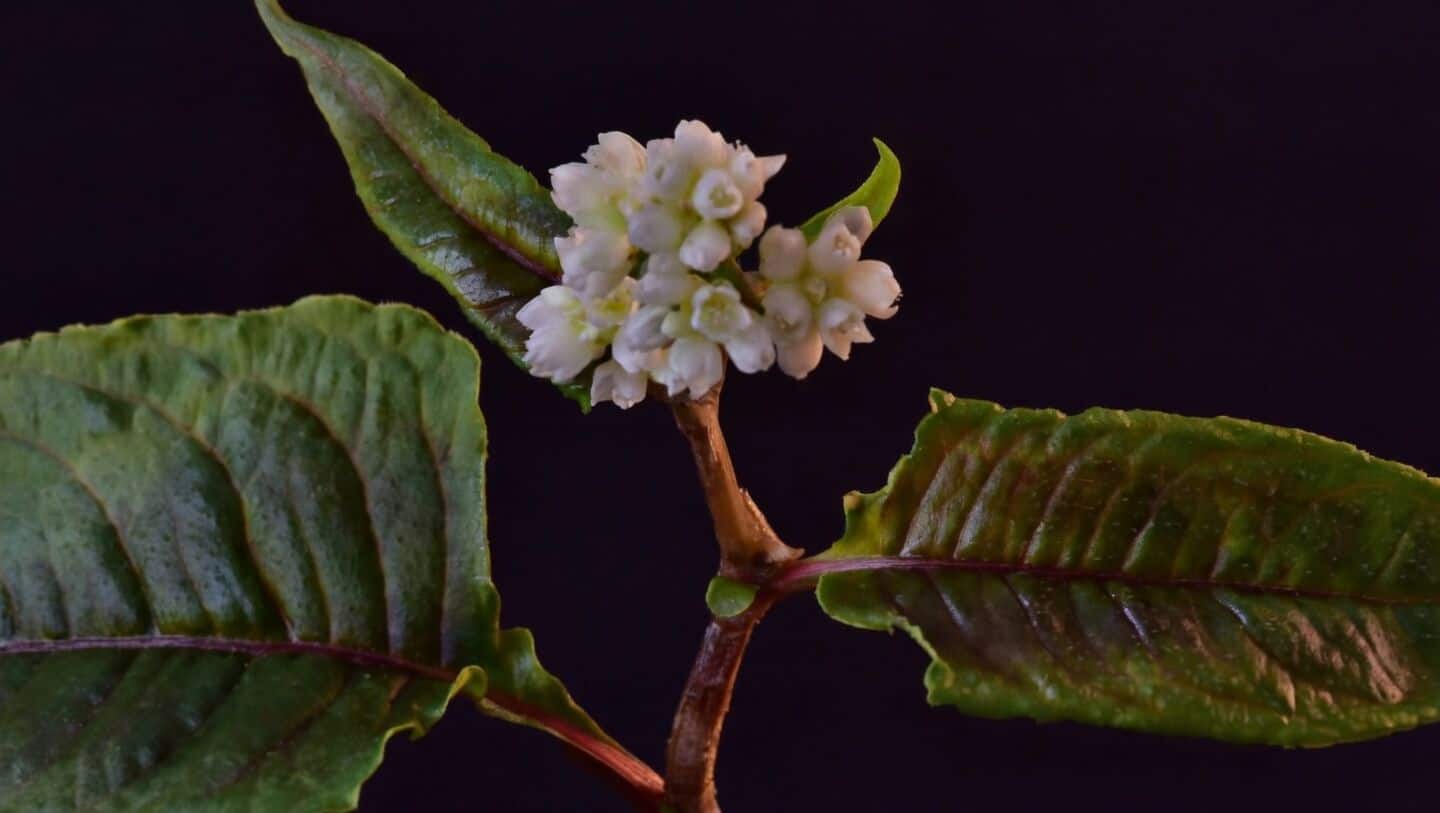
What is Henckelia monophylla, rare plant rediscovered after 2 centuries
What's the story
After nearly 189 years, scientists from the Botanical Survey of India have rediscovered a rare plant species called Henckelia monophylla. The plant was found during a survey in Arunachal Pradesh's Lohit district. This is a major development for botanical documentation in the Eastern Himalayas, as the species had not been recorded since the early 1800s.
Plant profile
What is Henckelia monophylla?
Henckelia monophylla, a member of the Gesneriaceae family, is a perennial herb that usually grows in moist forest habitats.
The genus Henckelia is known for its erect or slightly trailing stems and simple leaves which are often ovate or lanceolate.
These plants also produce axillary inflorescences with one or more tubular or funnel-shaped flowers, often with delicate colorations.
Biodiversity boost
Need for conservation efforts
The rediscovery of Henckelia monophylla underscores the need for continued field surveys and conservation efforts in Arunachal Pradesh, one of India's richest biodiversity hotspots.
Chief Minister Pema Khandu congratulated the scientists on this significant scientific achievement.
He said, "Delighted to learn about the remarkable rediscovery of Henckelia monophylla, a rare plant species endemic to Arunachal Pradesh."
Ecological treasures
Similar discoveries in recent times
Khandu further emphasized that such discoveries not only contribute to global botanical knowledge but also remind us of the ecological treasures the state holds.
He also wished the researchers well in their efforts to document and conserve this unique species.
The rediscovery of Henckelia monophylla comes just a month after researchers identified a new flowering plant species, Hoya nagaensis, in Nagaland's community-protected forest.