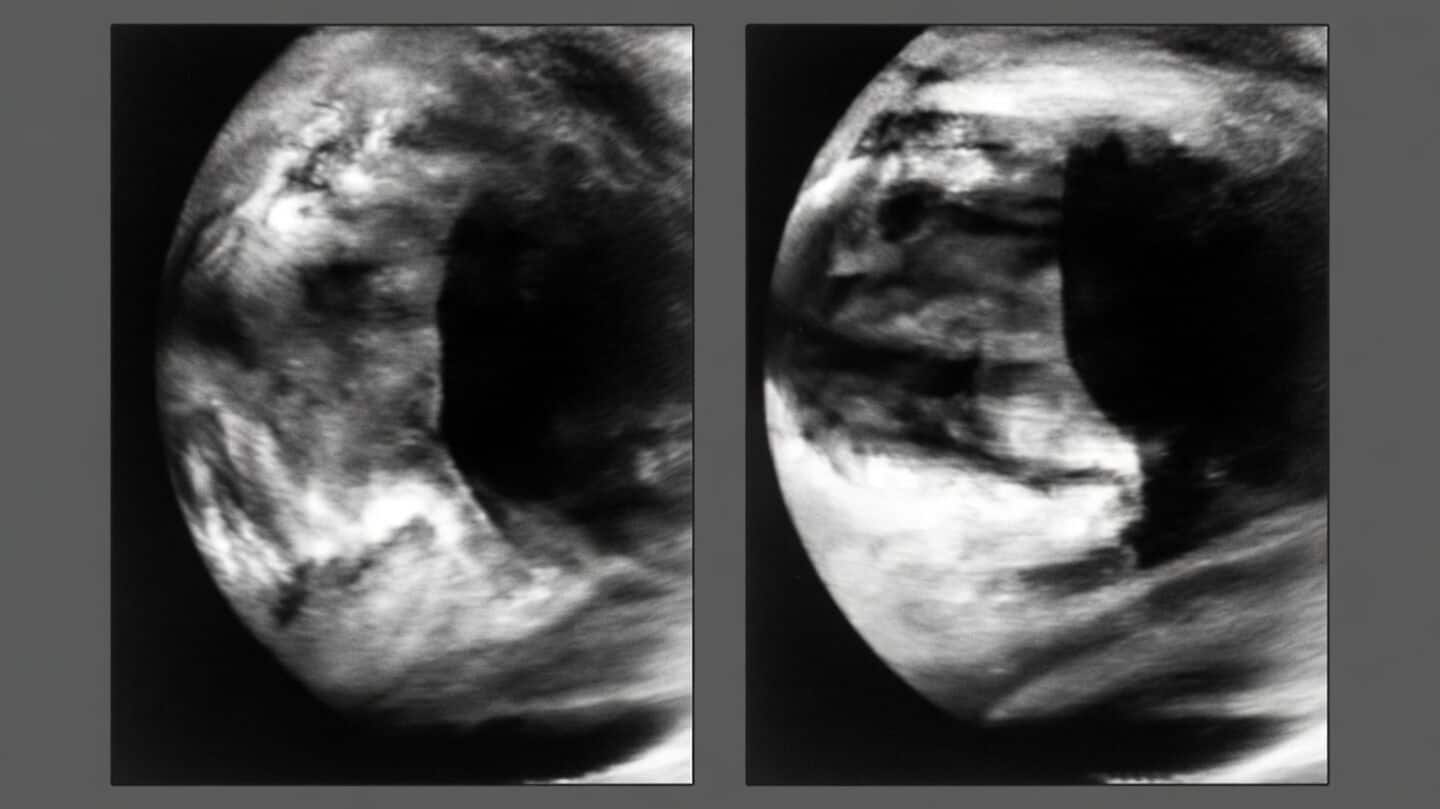
Scientists identify Venus cloud wave as giant hydraulic jump
After years of head-scratching, scientists have figured out what's behind Venus's massive, slow-moving cloud wave first spotted by Japan's Akatsuki probe in 2016.
Turns out, it's the biggest "hydraulic jump" ever found in our solar system, a rare phenomenon where fast-moving clouds suddenly slow down and pile up.
The findings just dropped in the Journal of Geophysical Research: Planets.
First hydraulic jump observed on Venus
This is the first time a hydraulic jump has been seen on another planet.
Basically, waves in Venus's lower clouds get unstable and slow way down, causing powerful updrafts that push sulfuric acid vapor into higher layers, creating that huge cloud bank.
Lead researcher Takeshi Imamura says this discovery helps connect how Venus's wild atmosphere works both sideways and upwards, giving us fresh insight into one of our solar system's most extreme worlds.