SpaceX launches Falcon 9 to extend geostationary satellites' service life
Today, SpaceX is sending its Falcon 9 rocket into space for a pretty cool reason: helping aging satellites stay useful for years longer.
The launch, with its window opening at 5:15pm EDT from Cape Canaveral, will deliver a robotic spacecraft and three special pods way up into geostationary orbit, over 35405km above us.
Mission robotic vehicle attaches MEPs
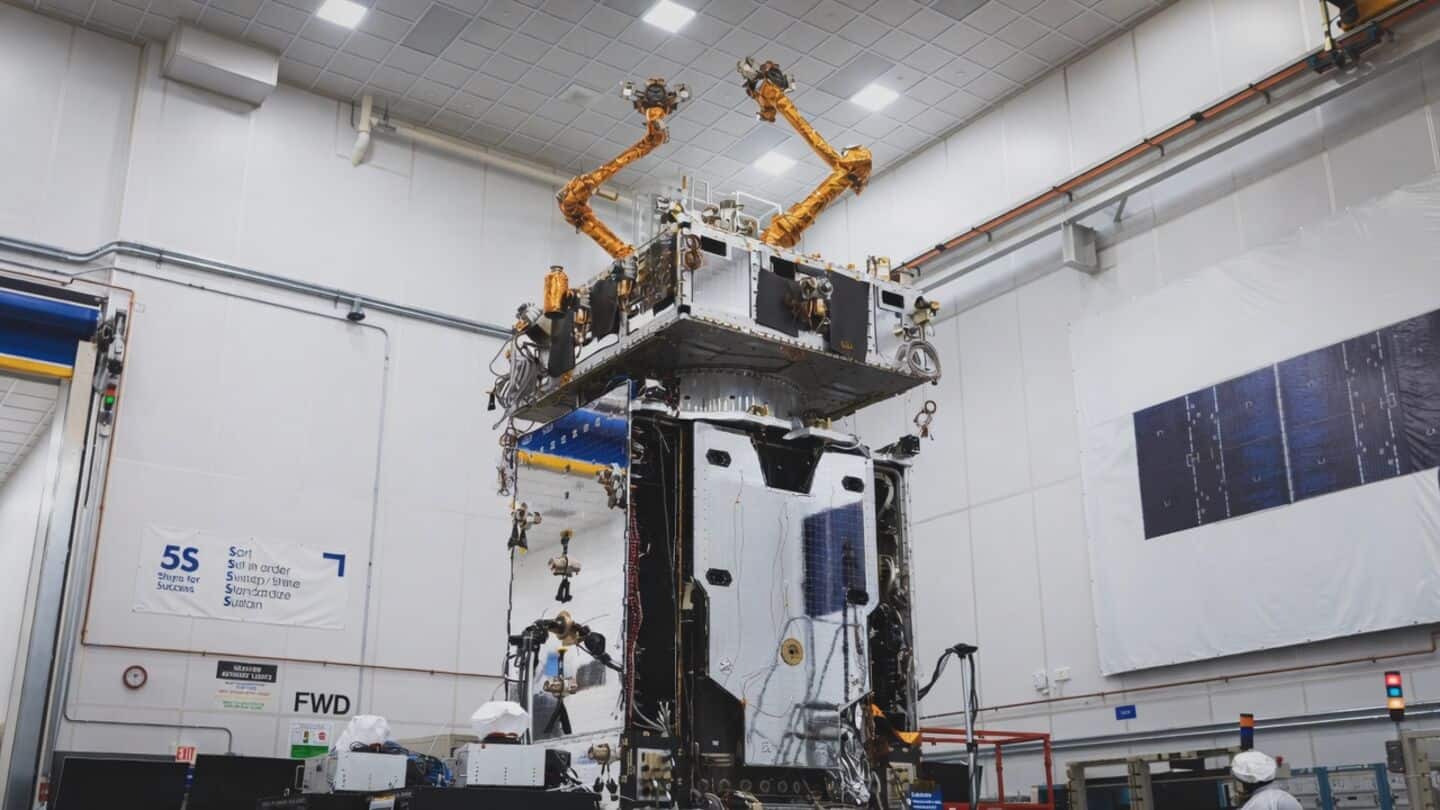
The Mission Robotic Vehicle (MRV), with its high-tech robotic arms, will attach Mission Extension Pods (MEPs) to client satellites like those from Optus and Intelsat. This can add up to eight more years of life to each satellite, meaning less space junk and better use of resources.
Fun fact: this is the Falcon 9's 32nd and final flight for this booster, since they won't recover it after today's mission.
If you're curious, SpaceX is streaming the whole thing live just before liftoff.