Stanford implants brain organoids into mice to study autism, epilepsy
Technology
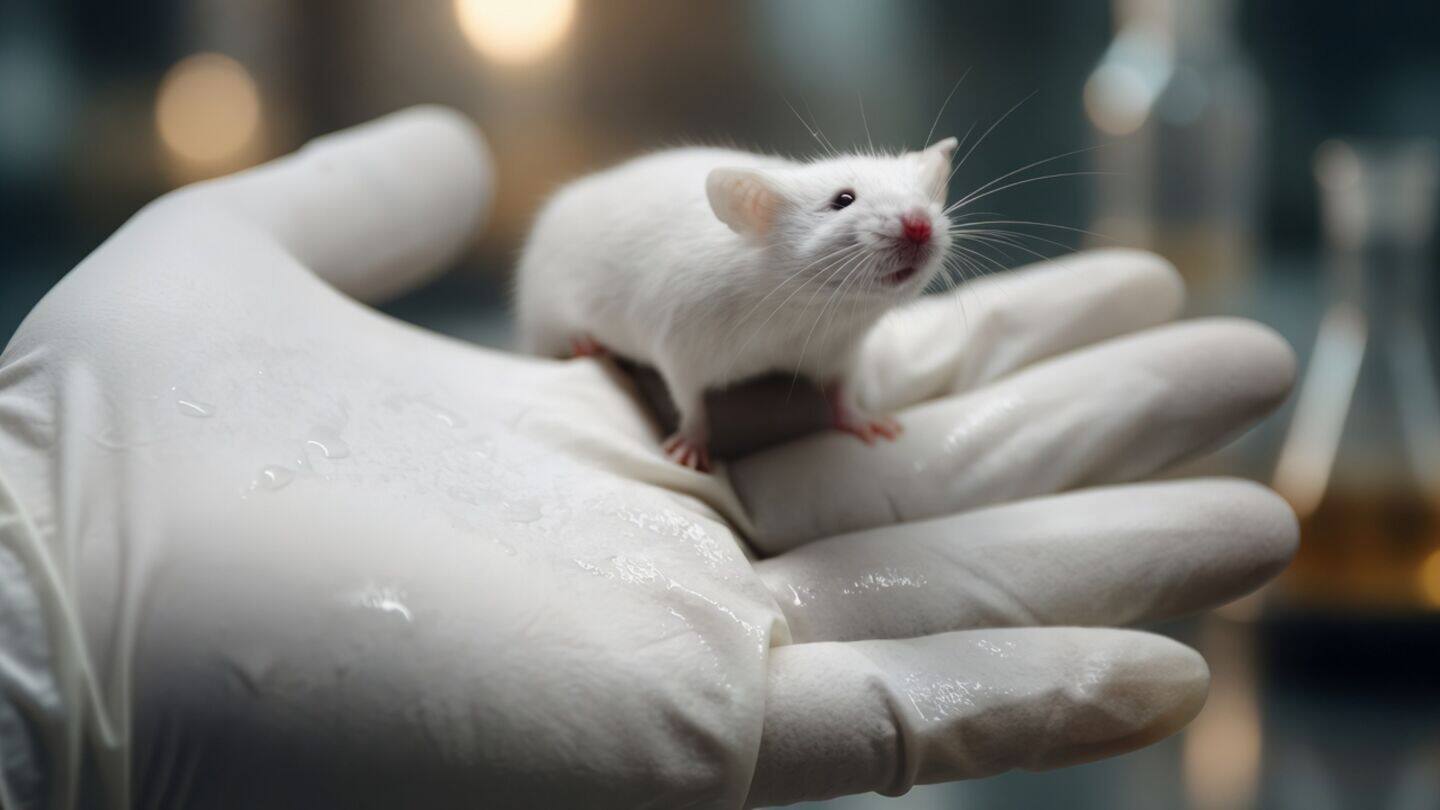
Stanford researchers have found a new way to study brain conditions like autism and epilepsy by implanting tiny human brain organoids into specially engineered mice.
This lets them watch how real human brain cells grow and connect inside a living animal, helping bridge the gap between lab experiments and actual people.
Human cells connected to mouse brains
The implanted human cells formed connections with mouse brains, revealing unique features not seen in regular animal studies.
While the mice didn't act differently, this model gives scientists a better tool for understanding how our brains work and could lead to more effective treatments for tough neurological disorders down the line.