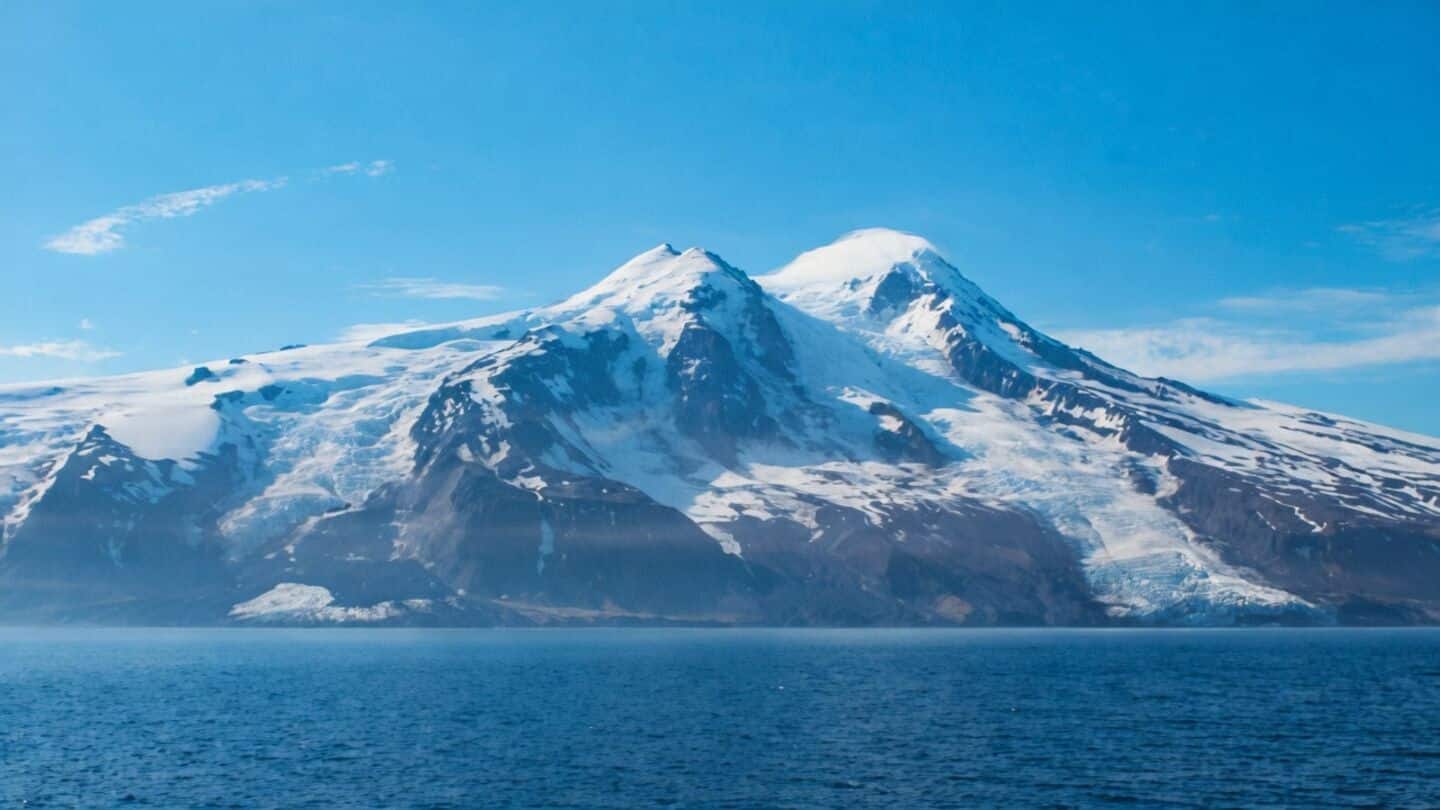
Study finds permafrost melt amplified 2025 Jan Mayen quake damage
A new study says climate change played a big role in making the 2025 earthquake on Jan Mayen, a remote Arctic island, much more destructive.
Melting permafrost (basically permanently frozen ground that's held together by ice, similar to how cement binds concrete) got weaker as temperatures rose, so when the quake hit, it triggered a huge rock avalanche that covered 30% to 50% of Kjerulf Glacier's surface with debris.
Jan Mayen warming raises landslide risk
Researchers found Jan Mayen's summer temperatures have jumped from around 36 degrees Fahrenheit to over 41 degrees Fahrenheit since the 1970s.
That warming means less stable ground and more risk of landslides after earthquakes.
Guilherme W. S. de Melo, a postdoctoral researcher from the Marine Geodynamics research unit at GEOMAR Helmholtz Centre for Ocean Research in Kiel, Germany points out this could become more common across the Arctic as global temperatures keep climbing, so keeping an eye on these changes is getting more important than ever.