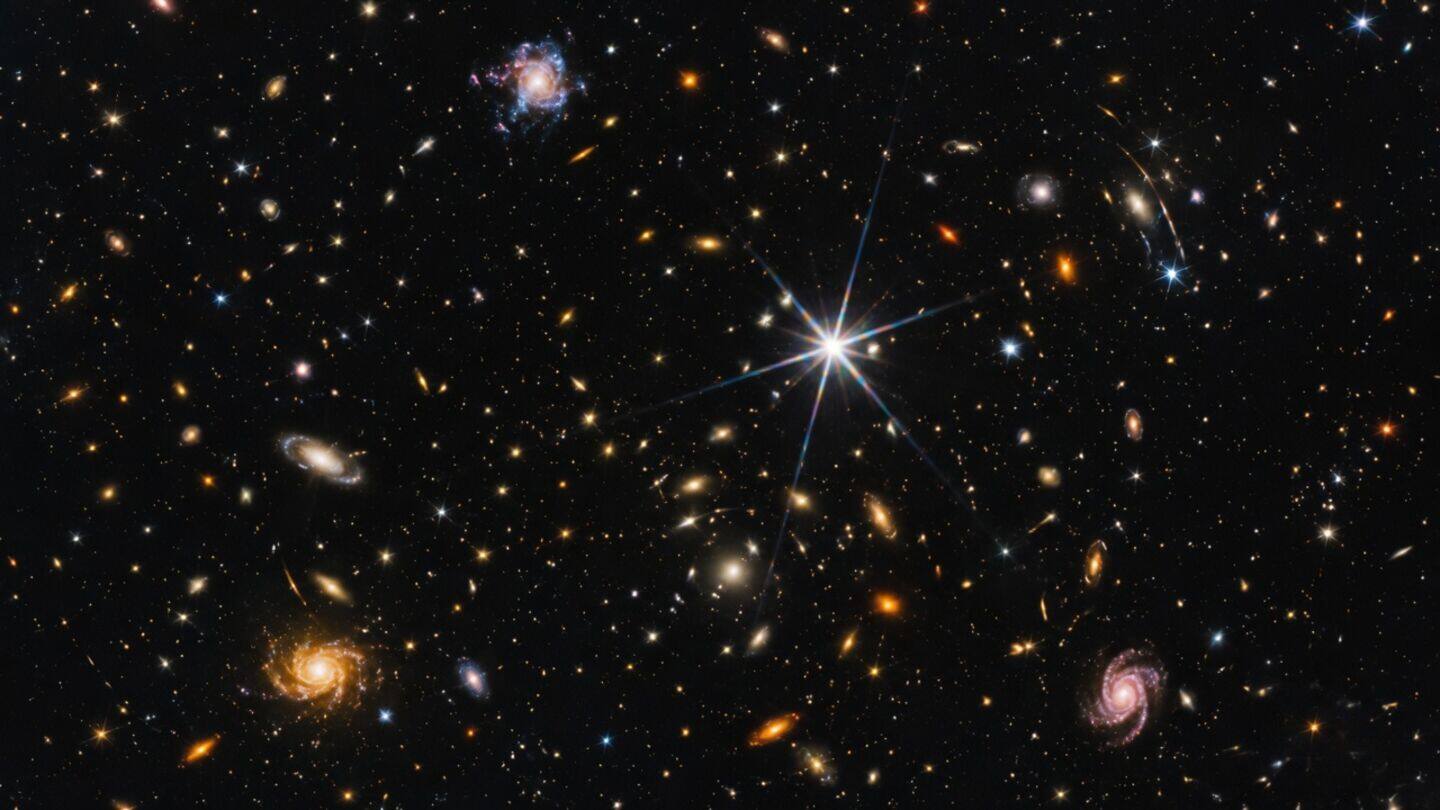
Webb telescope finds unexpectedly developed galaxies 300-400 million years old
Technology
The James Webb Space Telescope just found galaxies from when the universe was only 300 to 400 million years old, and they're way more developed than many researchers expected.
Instead of being messy and chaotic, these ancient galaxies show signs of steady star formation.
This is making scientists rethink what they thought they knew about how the first stars and galaxies came together after the Big Bang.
Researchers update galaxy formation models
Most theories say early galaxies were supposed to be small and wild, still assembling themselves.
But Webb's discoveries hint that star formation may have started sooner or lasted longer than we thought.
Now, researchers are using this new data to update their models and get a clearer picture of how our universe actually evolved.