WHO reacts as India reports deadly Nipah virus cases
What's the story
The World Health Organization (WHO) has said that the risk of transmission of the Nipah virus to other Indian states or internationally is low after two cases were reported in West Bengal's North 24 Parganas district. The global health agency said there is no evidence of increased human-to-human transmission, adding it does not recommend any travel or trade restrictions based on current evidence.
WHO
India demonstrated its capacity to manage Nipah outbreaks
"India has demonstrated its capacity to manage Nipah outbreaks during previous events and recommended public health measures are being implemented jointly by national and state health teams. At this time, there is no evidence of increased human-to-human transmission," WHO said. "WHO assesses the risk at the sub-national level in West Bengal as moderate, given the presence of fruit bat reservoirs in India-Bangladesh border areas and the possibility of sporadic zoonotic spillover. However, the national, regional, and global risk remains low."
Outbreak management
India's response to Nipah virus outbreak
India's Union Health Ministry confirmed only two cases of the Nipah virus disease since December last year. The government has launched immediate public health measures in collaboration with West Bengal authorities. These include enhanced surveillance, laboratory testing, and infection prevention measures. A total of 196 contacts linked to these confirmed cases have been traced and monitored, all testing negative for the virus.
Global response
Other countries heighten surveillance amid Nipah virus outbreak
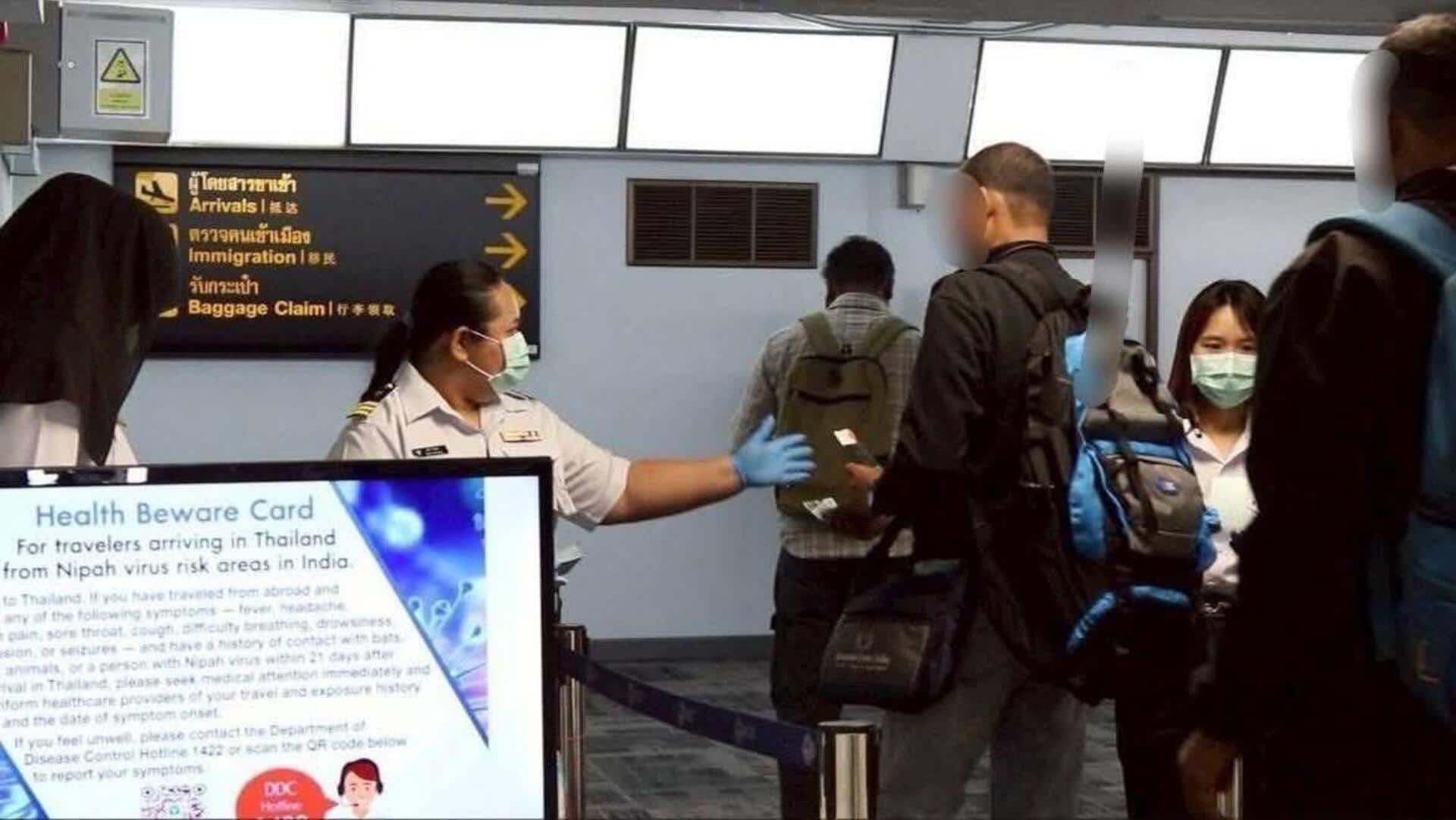
In light of the outbreak, several countries have tightened surveillance on travelers from affected regions. Nepal, Thailand, Taiwan, and China are among those who have stepped up precautionary measures. Singapore has also introduced temperature screening at its airport for incoming flights from affected areas. The WHO is working closely with Indian health authorities to support risk assessment and outbreak response efforts.
Virus details
Understanding the Nipah virus and its transmission
The Nipah virus is a zoonotic disease primarily transmitted from bats to humans through contaminated food or close contact. It can cause fever and brain swelling, with a fatality rate of 40% to 75%. While it can be transmitted between people, it doesn't spread easily and requires close contact. Symptoms include fever, headaches, muscle pain, seizures, and breathing problems.
Treatment status
No approved vaccines or treatments for Nipah virus yet
Currently, there are no approved vaccines or treatments for the Nipah virus. However, several options are under investigation, including one being developed by Oxford University scientists who worked on a COVID-19 vaccine. "Early supportive care, including intensive care for severe respiratory or neurological complications, remains critical for improving survival," WHO recommended. The global case fatality rate is estimated to range between 40% and 75%, depending on early discovery and clinical care quality.