High Court rejects 'misled' plea in beef possession case
What's the story
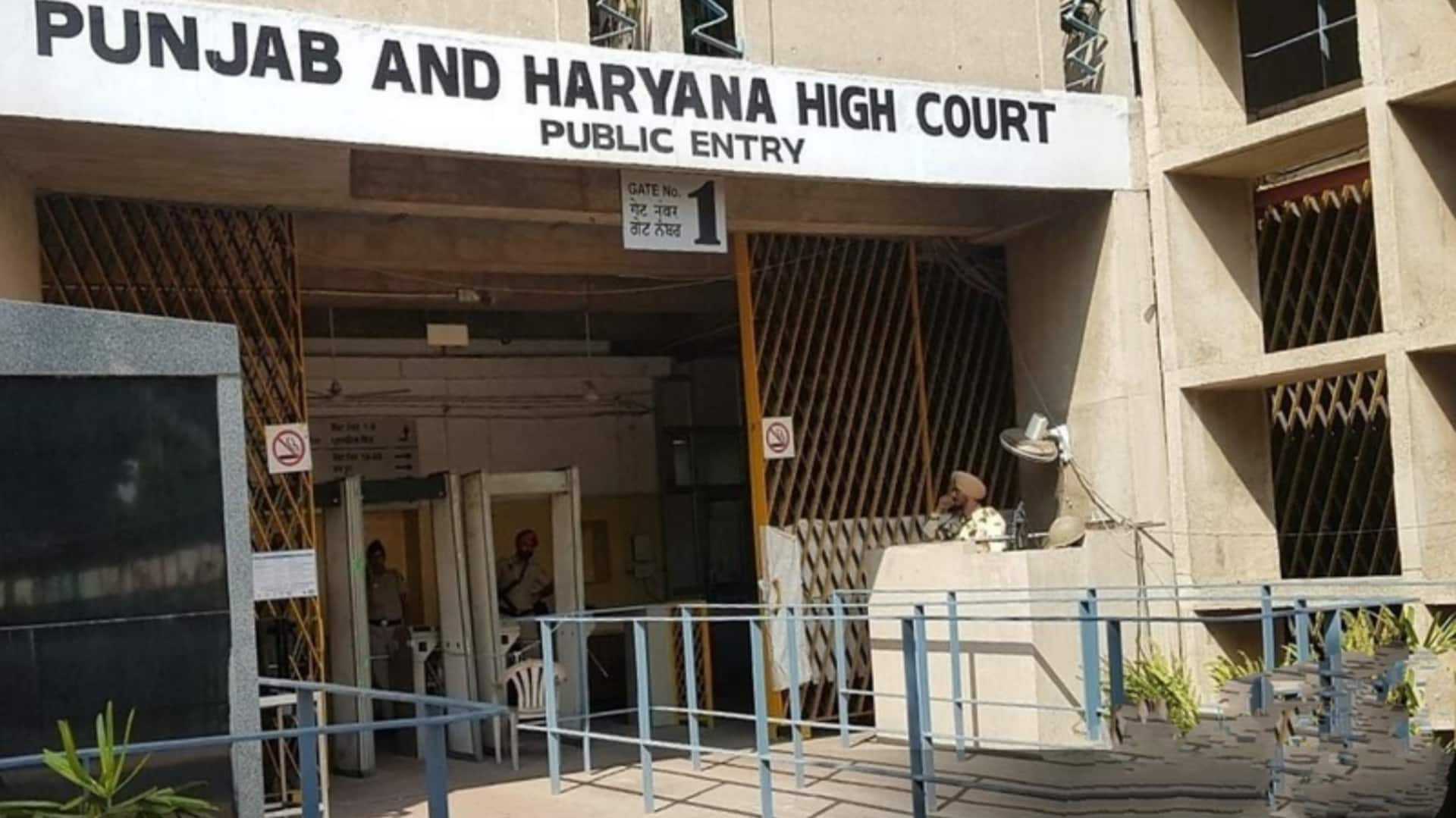
The Punjab and Haryana High Court has rejected a 62-year-old man's anticipatory bail plea in a case involving the illegal possession of beef. The court termed his claim of being misled by meat suppliers as a "clever ploy" to escape prosecution. "The plea...that he was misled by the sellers, who...disclosed to him that the meat was not beef, is a clever ploy and an afterthought, which does not deserve to be taken note of," the bench observed.
Legal proceedings
Charges under Section 299 of BNS and Cow Slaughter Act
Justice Aradhana Sawhney, who presided over the case, observed that the petitioner failed to demonstrate exceptional hardship warranting pre-arrest bail.
The petitioner was initially booked under Section 299 of the Indian Penal Code, which deals with deliberate acts intended to outrage religious feelings. Later, Section 8 of the Punjab Prohibition of Cow Slaughter Act, 1955 was added.
The court noted that custodial interrogation is necessary to uncover a larger network involved in the illegal meat trade.
Evidence examination
Initial claims and forensic analysis
Initially, the petitioner claimed to have purchased meat of a buffalo calf from vendors in Punjab and Uttar Pradesh.
However, a forensic report from Hyderabad's National Meat Research Institute identified the meat as "Bos indicus (bull/ox)."
Despite this evidence, the petitioner moved the high court for anticipatory bail.
The court referred to a Supreme Court judgment, Nikita Jagganath Shetty Nikita Vishwajeet Jadhav v. The State of Maharashtra, stating that anticipatory bail is an exceptional remedy and shouldn't be granted routinely.
Court's reasoning
Court's stance on anticipatory bail and religious sentiments
Additional Public Prosecutor Rahul Arora argued against the petitioner's plea that he had purchased the meat under the genuine impression that it was not beef cannot be believed, for it cannot be presumed that both the sellers from Punjab and Uttar Pradesh would mislead the petitioner.
He added it was a last-minute effort to evade responsibility.
The complainant's counsel contended that "cow" is revered in Hinduism and Indian culture, and the petitioner's actions hurt religious sentiments.