Why India's highways can withstand extreme heat but Europe's can't
What's the story
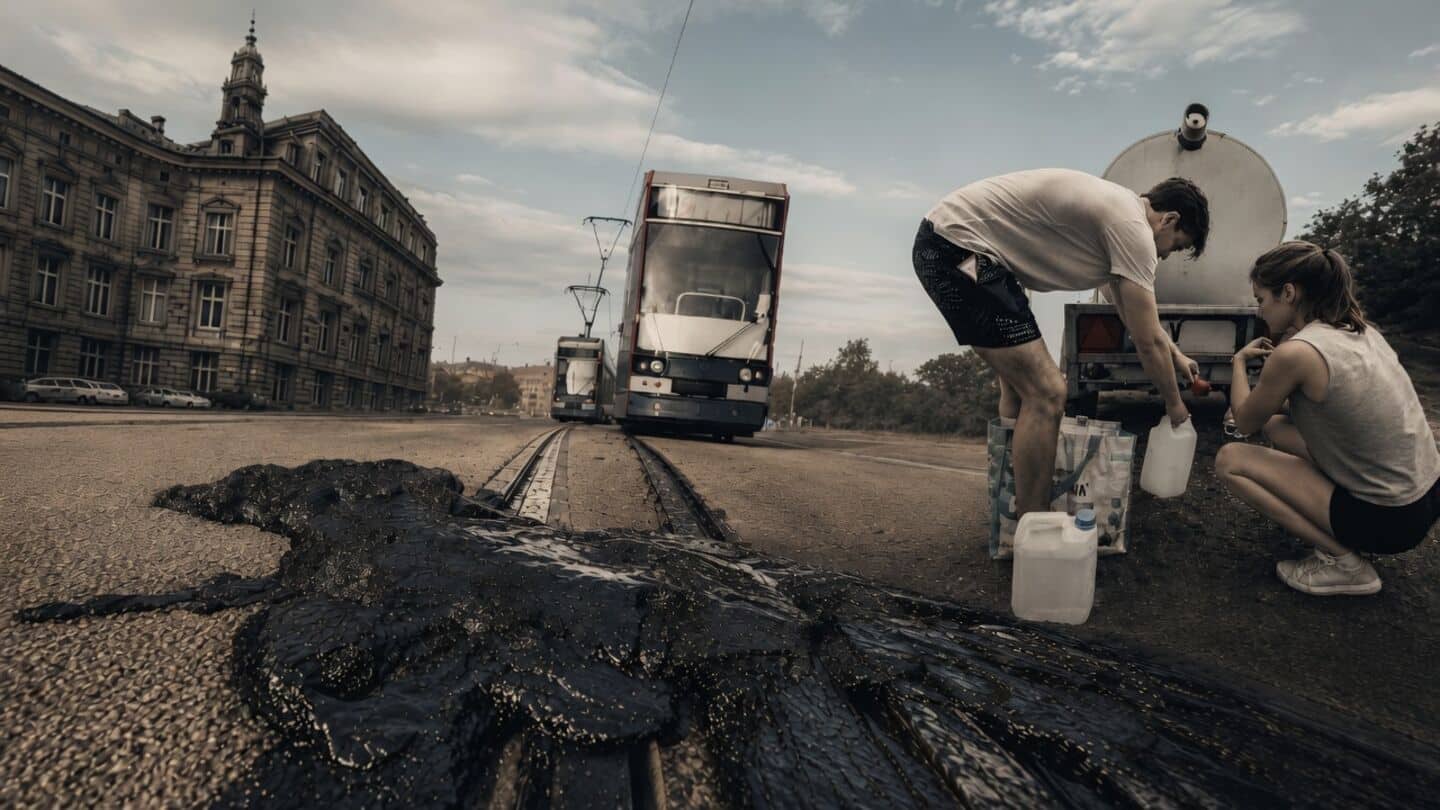
Europe is facing a record-breaking heatwave, with temperatures above 40°C causing widespread disruption like water shortages and infrastructure damage. Over 1,000 people have also died since June 21. Videos show roads melting and tram tracks buckling under the baking sun. A question that these viral videos have raised is why roads in India, which experience warmer temperatures than European countries, remain intact.
India
Difference lies in engineering choices
India's highways are built to withstand extreme heat, with materials that can handle road surface temperatures above 60°C. In contrast, Europe's transport infrastructure is struggling under the strain of a severe heatwave. The difference lies in engineering decisions and the type of bitumen, the binding material that holds asphalt together, used. India's National Highways Authority of India (NHAI) primarily uses Viscosity Grade (VG) bitumen like VG-30 and VG-40, which remain stable even at high temperatures.
Bitumen contrast
India vs Europe
India's Ministry of Road Transport and Highways also recommends Polymer Modified Bitumen (PMB) and Crumb Rubber Modified Bitumen (CRMB) for premium expressways. These materials provide even greater resistance to heat. On the other hand, Europe has traditionally used softer penetration-grade bitumen, specifically designed for cold climates, that stays flexible in cold weather but softens during heatwaves. This results in roads deforming or bleeding bitumen under extreme temperatures.
Infrastructure impact
Transport networks disrupted across Europe
The ongoing heatwave has exposed these vulnerabilities, with Denmark recording its hottest day since 1874 at 37°C in Odum. Switzerland reached 38.8°C in Basel and the Czech Republic recorded a record 40.8°C in Doksany. These extreme temperatures have disrupted transport networks across Europe, including suspending tram services in Germany's Leipzig and Nuremberg due to softened bituminous sealant around tracks.
Health impact
France's roads are melting
In France, prolonged heat has softened asphalt on roads, creating ruts and reducing tire grip. This has led to increased road damage and safety concerns. The extreme heat is also straining healthcare systems across Europe. Public health authorities in France and the UK report rising heat-related illnesses and excess deaths among vulnerable populations. Hospitals are overwhelmed with patients suffering from heatstroke, dehydration, cardiovascular issues, etc.