Microsoft's AI chip could soon power Anthropic's Claude
What's the story
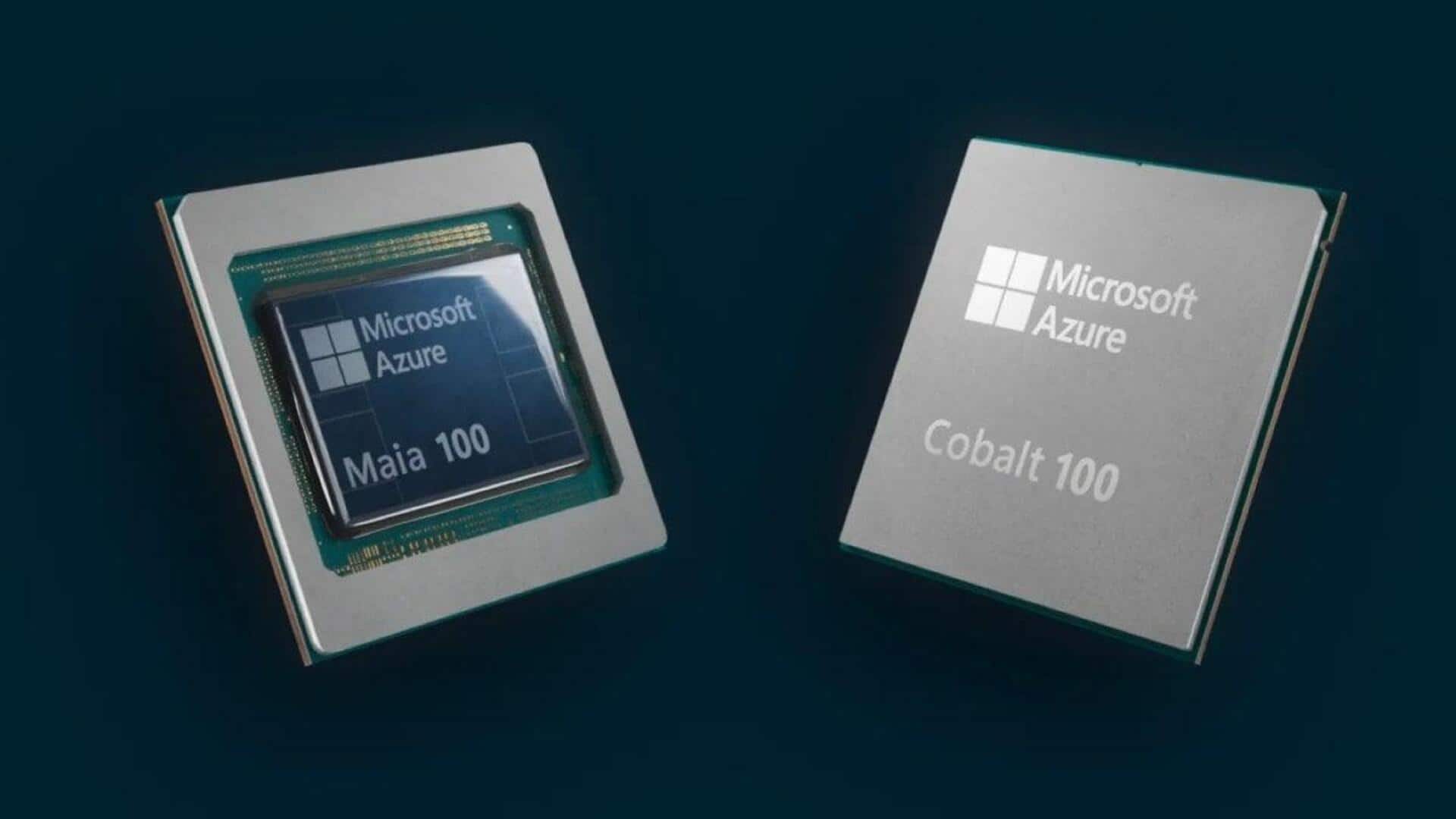
Microsoft is reportedly in talks to supply its custom artificial intelligence (AI) chips, the Maia 200, to Anthropic. The deal would mark a major win for Microsoft as it looks to catch up with cloud competitors Amazon and Google in providing specialized AI silicon. The Maia 200 processor will also be used by OpenAI's GPT-5.2 model, but has not yet been made available on Azure cloud services.
Capacity crunch
Anthropic's compute challenges and AWS deal
Anthropic has been facing "difficulties with compute," Dario Amodei, the company's co-founder and CEO, said earlier this month.
The demand for computing capacity has increased due to the growing popularity of its Claude assistant and Claude Code tool for AI-assisted programming.
To meet this demand, Anthropic has been relying on NVIDIA graphics processing units (GPUs) and recently signed a 10-year deal with Amazon Web Services (AWS) to use its custom Trainium chips.
Strategic alliances
Cloud partnerships with Amazon and Google
In addition to the AWS deal, Anthropic has also announced plans to use Google's tensor processing unit chips. The company also relies on cloud services from both Amazon and Google.
These partnerships highlight Anthropic's aggressive strategy to build a robust computational foundation for its AI systems.
Financial ties
Strengthening ties between Microsoft and Anthropic
The talks over Maia chip access come on the back of a major financial relationship between the two companies.
In November, Microsoft announced a $5 billion investment in Anthropic, which in turn agreed to spend $30 billion on Azure cloud services over the course of their partnership.
A potential chip supply deal would only strengthen this existing bond, giving Microsoft a more active role in powering Anthropic's AI systems beyond just hosting them on its cloud infrastructure.