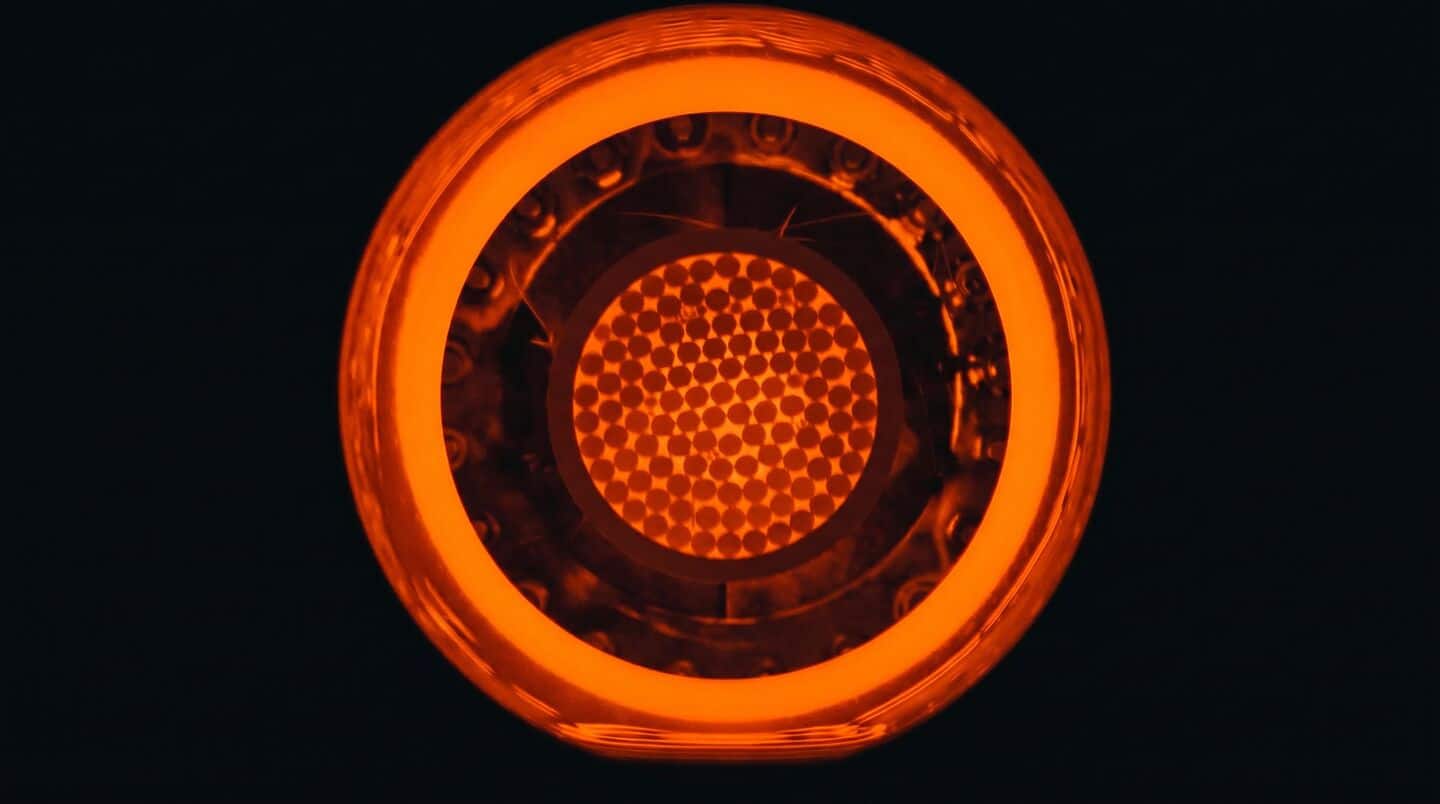
NASA conducts US 1st 120 kW MPD test at JPL
NASA has pulled off a big milestone by testing its new lithium-fed magnetoplasmadynamic (MPD) thruster, called the MPD thruster.
This test, done at the Jet Propulsion Laboratory on February 24, hit 120 kilowatts of power, making it 25 times stronger than the engine used for NASA's Psyche mission and reaching up to 120 kilowatts, which NASA said was the first time in the United States that an electric propulsion system has operated at power levels this high.
Lithium MPD thruster cuts fuel 90%
The MPD thruster uses electricity and magnetic fields to launch lithium ions, which means it can deliver strong thrust while using 90% less fuel than regular rockets.
NASA hopes to boost this engine's power even more (up to 4 megawatts) and pair it with a new nuclear reactor system called Space Reactor-1 Freedom, launching as soon as 2028.
Together, these tech upgrades could finally make crewed trips to Mars possible, open up a whole new chapter in space exploration.