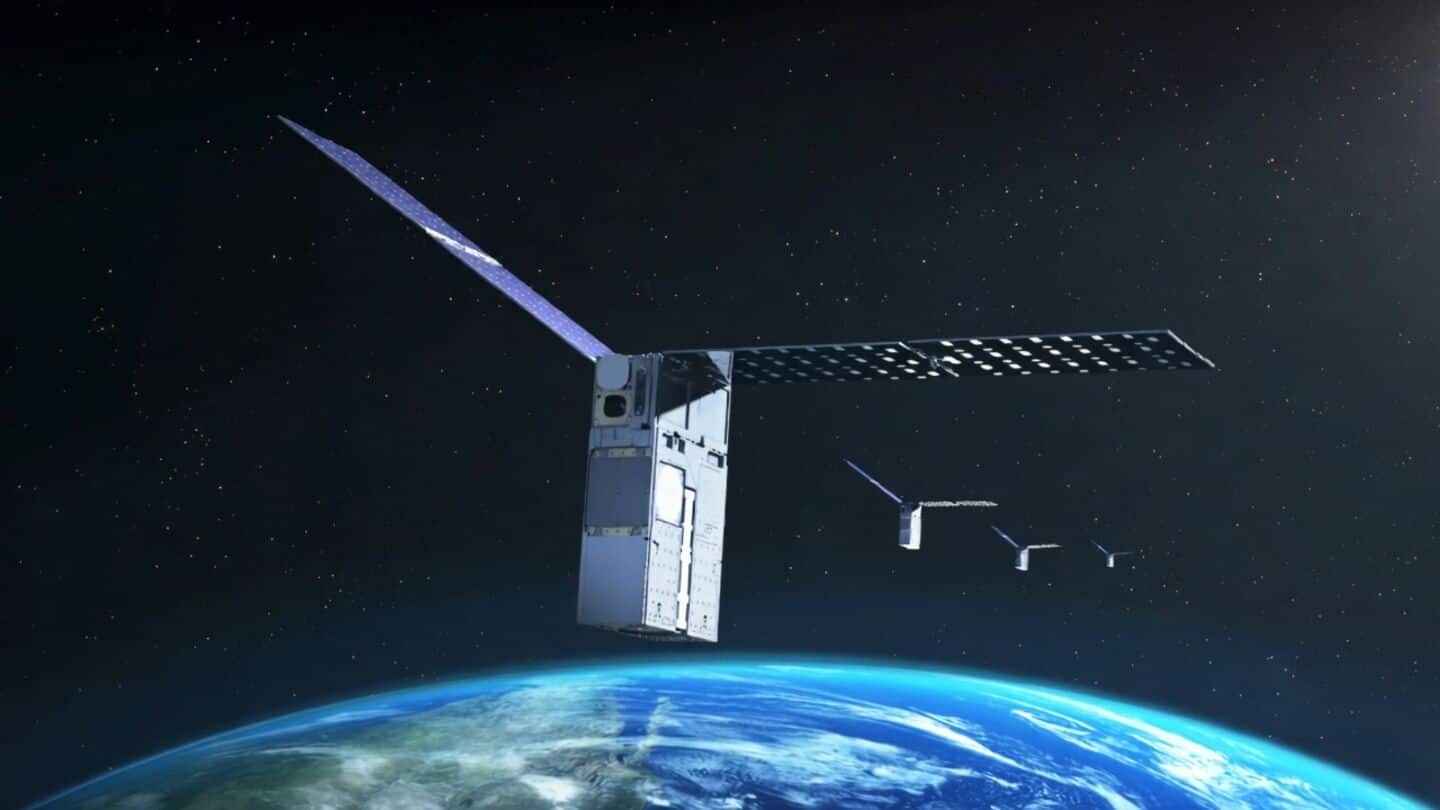
NASA tests FALCON navigation using cameras to self-locate without GPS
NASA just tested FALCON, a satellite navigation system that works without GPS. Instead, it uses cameras and a catalog of known satellites and other space objects to figure out where the satellite is, pretty cool for deep space where GPS cannot reach.
The trial was part of the Starling mission and lasted three days.
FALCON confirmed orbit, mapped 200+ objects
During its test run, FALCON nailed down its own orbit and updated positions for more than 200 nearby objects.
Built with help from Stanford startup EraDrive, it is designed to tackle navigation challenges in places like lunar orbit.
This tech could make satellites more independent, help avoid collisions, and improve space traffic management.
NASA plans more tests this year to push FALCON even further for autonomous operations in space.