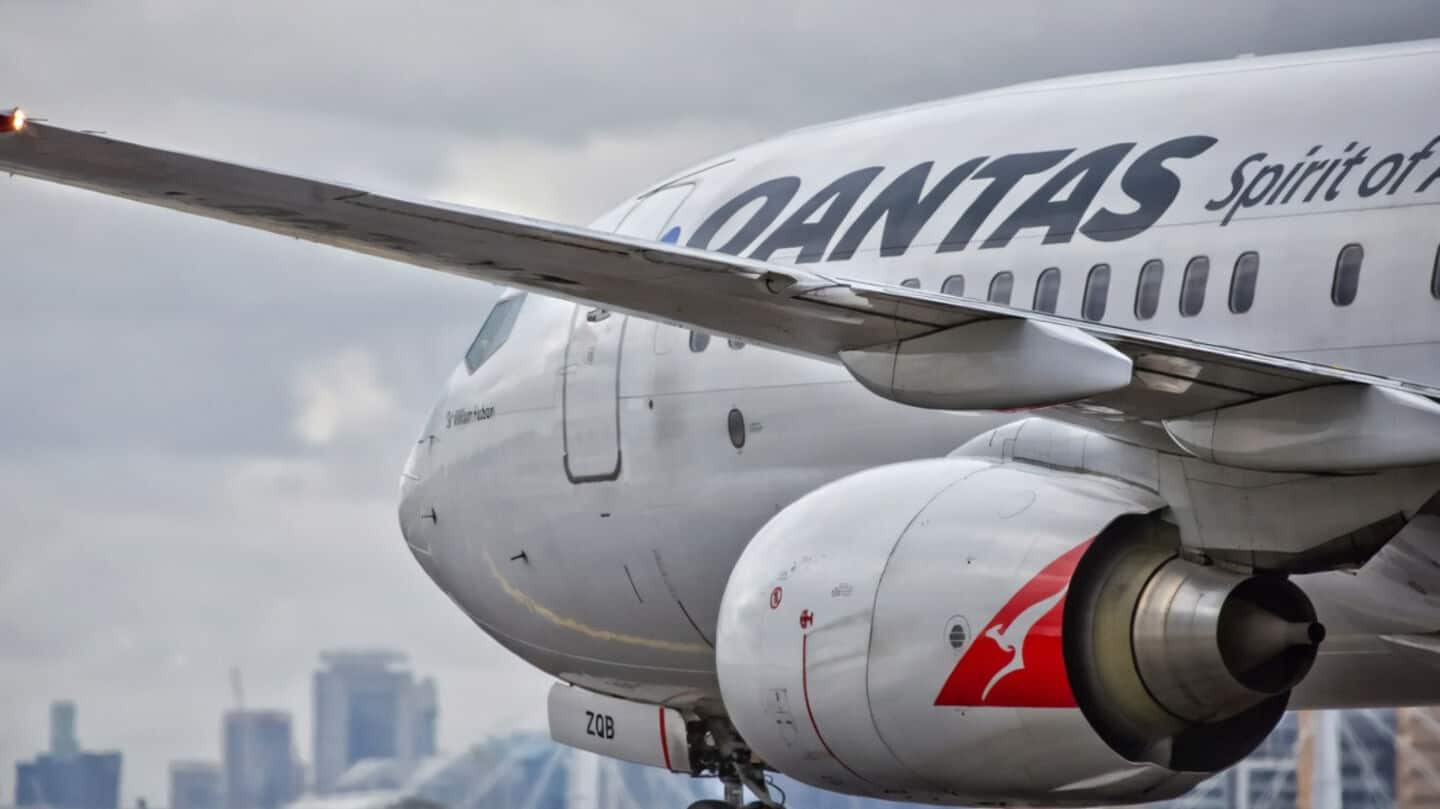
Airlines facing bankruptcies and mergers due to Middle East war
What's the story
The escalating conflict in the Middle East is expected to increase the risk of airline bankruptcies and lead to further consolidation in the industry, according to Willie Walsh, Director General of the International Air Transport Association (IATA). The war between US-Israel and Iran has caused a spike in jet fuel prices by disrupting key air corridors and limiting jet fuel supplies.
Impact
Budget carriers hit hard by rising fuel costs
Budget carriers have been particularly affected by the rising fuel costs, as they lack high-margin revenue streams such as premium cabins and credit card loyalty programs.
The strain of these increased costs is already visible in the industry, with US-based budget airline Spirit Airlines collapsing last month.
Walsh expects more airlines to go out of business or be acquired by larger carriers due to these financial pressures.
Resilience of low-cost airlines
Low-cost airline model still intact, says Walsh
Despite the financial pressures, Walsh doesn't think the low-cost airline model is broken.
He cited Ryanair's strong performance in Europe as an example of its resilience outside the US market.
However, he was skeptical about United Airlines CEO Scott Kirby's proposal to buy American Airlines and create a US aviation giant due to regulatory hurdles.
Traffic disruption
Gulf carriers facing challenges due to Iran conflict
The Iran conflict has disrupted air traffic through Middle Eastern hubs like Dubai, Doha, and Abu Dhabi.
This has created major challenges for Gulf carriers such as Emirates, Qatar Airways, and Etihad.
However, Walsh doesn't think the conflict will permanently damage the Gulf's position as an aviation hub due to its strategic geographic location and the value of these popular carriers.
Delivery delays
Supply chain disruptions cost airlines $11B last year
The slow pace of aircraft deliveries from Boeing and Airbus, along with engine delays from GE Aerospace and RTX's Pratt & Whitney unit, are also adding to the pressure on airlines.
Walsh said these supply chain disruptions cost airlines an estimated $11 billion last year.
He expressed disappointment over the pace of progress by aircraft and engine makers in resolving these issues.