Google tests TPUs in orbit while Microsoft updates Copilot
Google and Microsoft are making bold moves with AI this year.
Google's Project Suncatcher is literally sending its special computer chips, called TPUs, into orbit to see how they handle the challenges of space.
Meanwhile, Microsoft has rolled out new Copilot features that make it easier to use AI right inside Word, Excel, and other Office tools.
Both tech giants are aiming to make AI more useful in everyday life, and even beyond Earth.
Google TPUs on Transporter-18, Copilot updates
Google's TPUs hitched a ride on the Transporter-18 ride share mission with SpaceX as part of Project Suncatcher, tackling tough problems like power and communication in space.
Chief Technology Officer Blaise Aguera y Arcas, CTO of Technology & Society at Google, called this hands-on testing "I've been thinking for quite a while about direct solar power for AI in space. Moving from thought experiment to real spaceflight required many months of debate, testing our assumptions, poking holes, running simulations, and eventually stress-testing TPUs with particle accelerators and other forms of torture. Seeing our hardware go up turns an idea that sounded like science fiction not so long ago into a real prototype," pretty wild!
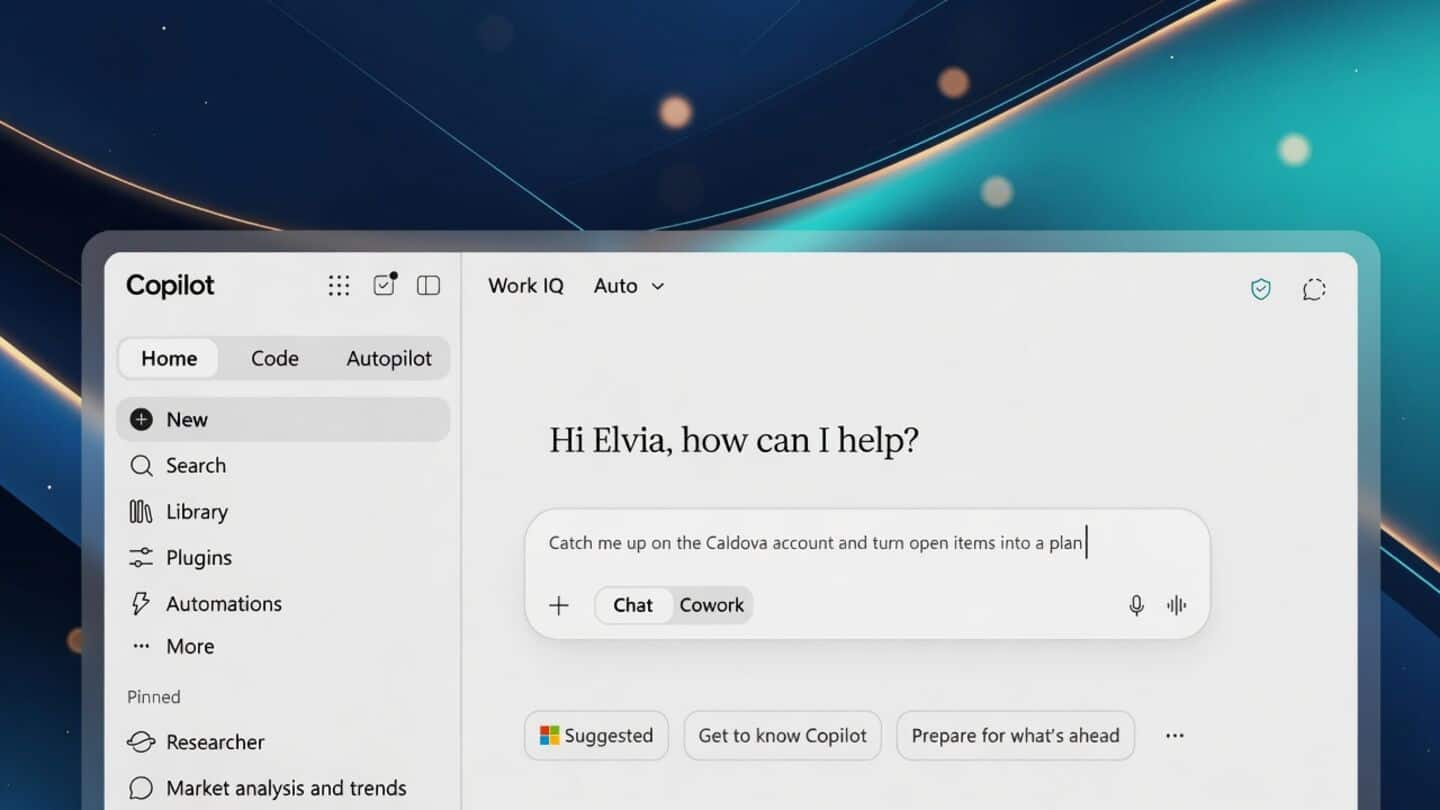
On the ground, Microsoft's Copilot now comes with Home, Code, and Autopilot features for smoother Office integration.
With these updates, you can access local files on your PC more easily, plus manage tasks faster right from the Windows taskbar.