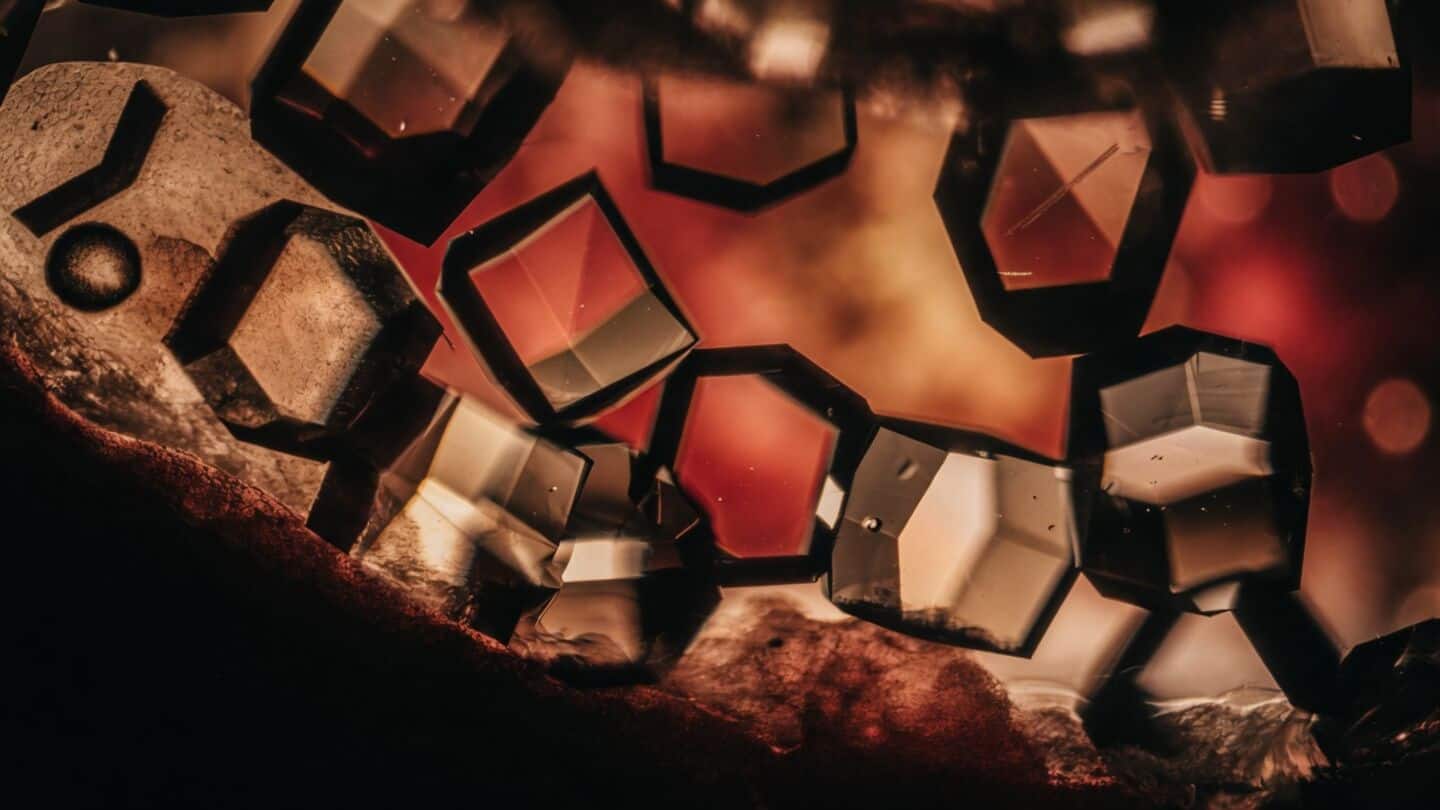
NASA grows lysozyme crystals on ISS to study protein formation
NASA scientists have managed to grow lysozyme crystals (yes, the same protein found in your tears) on the International Space Station.
By using special hardware in microgravity, they're hoping to unlock new details about how proteins form, something that's tough to do back on Earth.
This could open up fresh possibilities for medical research.
Space-grown lysozyme used as control
Lysozyme helps our bodies fight germs and is a control compound to demonstrate the formation of well-shaped crystals.
Growing its crystals in space means fewer obstacles like gravity and sedimentation, so scientists get clearer results.
That's huge for drug development: understanding these structures can lead to better medicines.
The ISS has already helped study other disease-related proteins, showing just how important space-based research can be for future treatments.