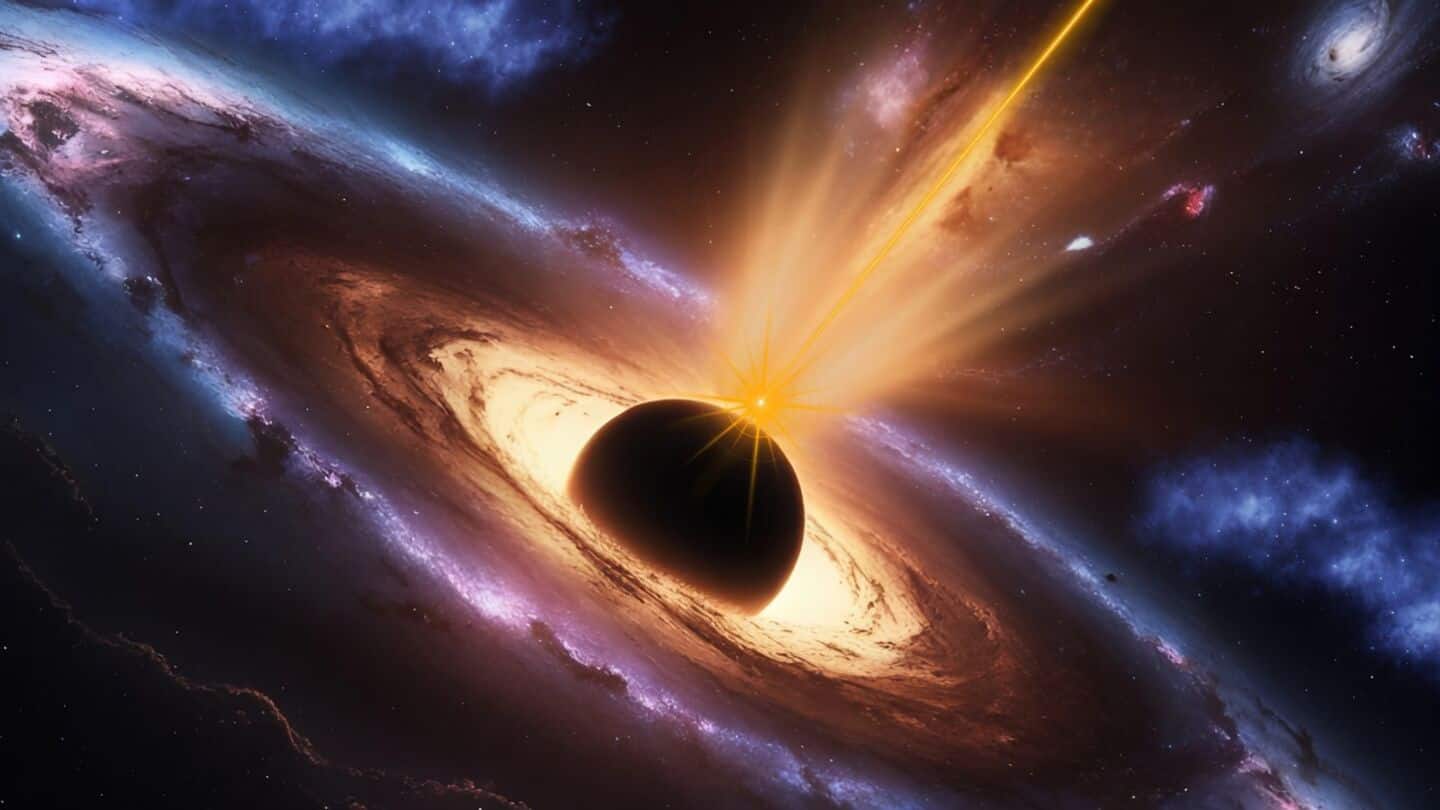
NASA Swift captures Perseus cluster black hole firing radio jets
Technology
Astronomers using NASA's Swift Observatory just caught a supermassive black hole in the Perseus cluster firing off radio jets, almost a year after it gobbled up some extra matter.
The action started with huge X-ray flares, giving scientists a rare look at how black holes launch these powerful jets.
Study finds 300 day jet lag
Led by Sarah Ketchum from the University of Michigan, the team tracked emissions from galaxy NGC 1275 and found that it takes about 300 days for material ejected by the black hole to reach shock points, basically, where things get really interesting.
These findings help explain how black holes can shape their entire galaxies, especially when it comes to star formation and the growth of those galaxies.